Counterfeit detection · gold jewellery
See what the AI saw.
FakeGuard AI estimates the counterfeit risk of a gold jewellery item from a photo, and shows you the areas that weighed on its verdict. A decision aid, not a certificate.
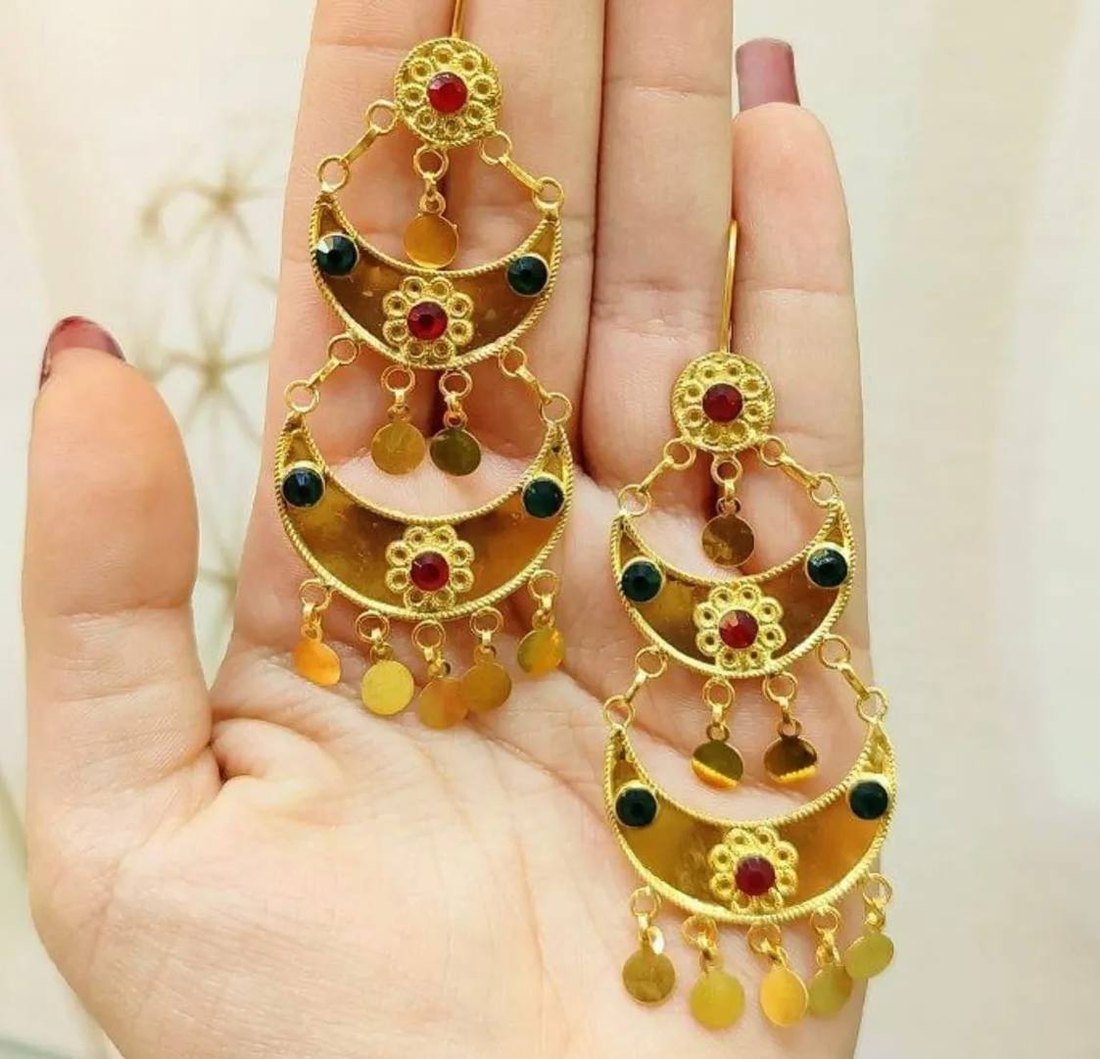
Photo: GoldNet, Z. Raisi — CC BY 4.0
Three verdicts. Never “certified authentic”.
A photo cannot prove that an object is authentic. When the model is not sure enough, it says so, and you can ask for a human look.
Low risk
The model finds no sign of counterfeiting. This is not a guarantee of authenticity.
 r_img_732Source label : authenticEstimated probability of counterfeit : < 1%
Inconclusive
The model does not decide: the photo is outside its scope, or the score is too close to the limit.
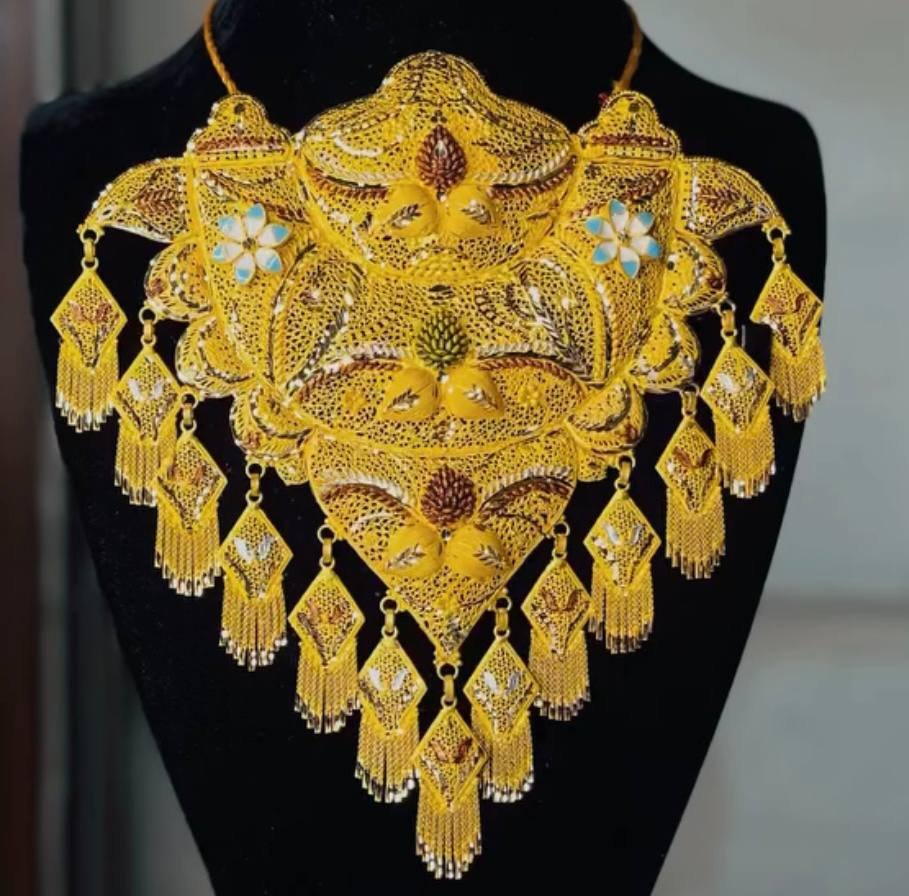
 r_img_776Source label : authenticEstimated probability of counterfeit : 57%
High risk
The model finds signs consistent with a counterfeit. Have the item checked before any decision.
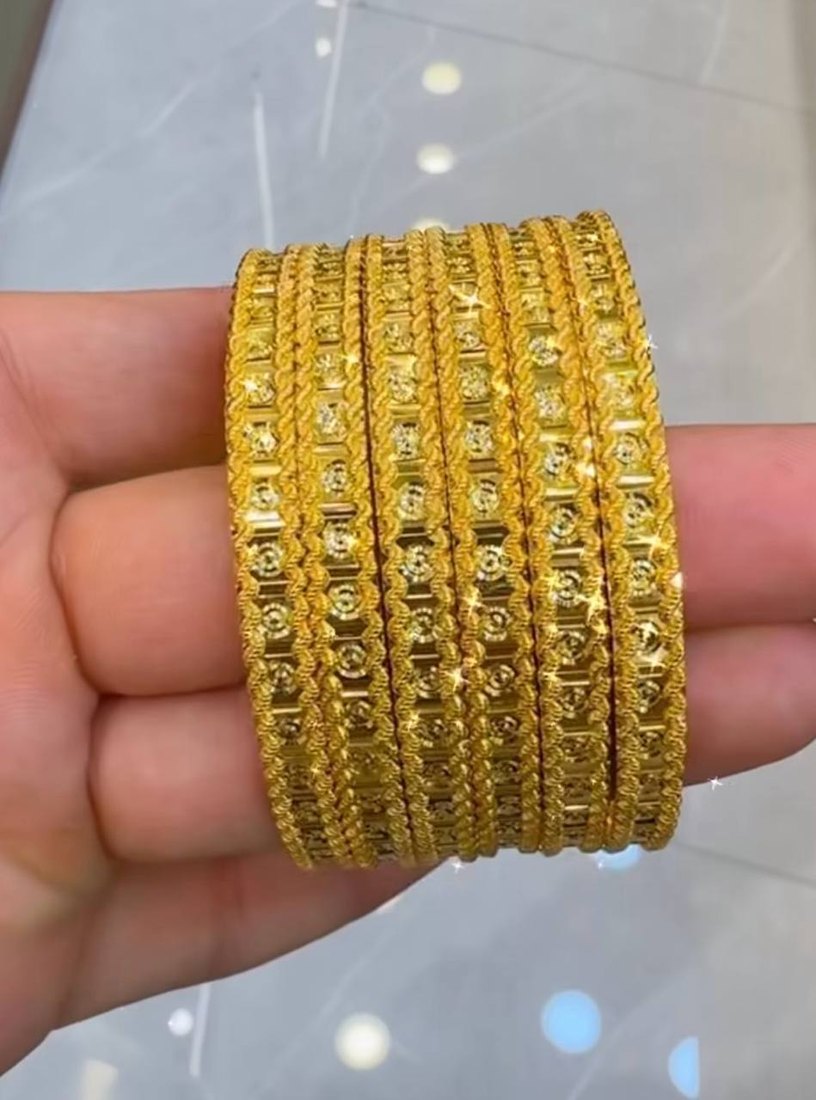
f_img_559Source label : counterfeitEstimated probability of counterfeit : > 99%
Measured, not promised.
These figures come from the test set: 321 items the model never saw during training. In brackets, the 95% confidence interval.
79%
of counterfeits flagged “high risk”
96%
of “high risk” verdicts were correct
4%
of counterfeits wrongly rated “low risk”
17%
of analyses left inconclusive
How an analysis unfolds
Take the photo
One to four sharp photos, item centred, no filter or retouching.
Photo check
A blurry, too dark or too small image is rejected before analysis, with the reason.
Calibrated verdict
The model estimates a probability of counterfeit, then decides — or abstains.
Human look
When in doubt, request a reviewer's opinion from the report.
What FakeGuard AI does not claim
We would rather write down the model's limits than let you discover them.
- The result is a statistical estimate from a photo. It replaces neither a metal assay nor a professional's opinion.
- The model learned from a single public dataset: GoldNet, 2,127 items.
- The source does not document how the authentic / counterfeit labels were established.
- The items come mostly from Iran and the Gulf market: reliability on other styles has not been measured.
- Each item has a single photo in the dataset: combining several photos has not been validated experimentally.
- The filter that rejects off-topic photos was only checked on a small informal probe.
- The setting of the photos is partly enough to separate the two classes: the model may have learned context cues rather than material ones.